Menopause Care in Shoreline WA: What to Expect from a Certified Menopause Specialist
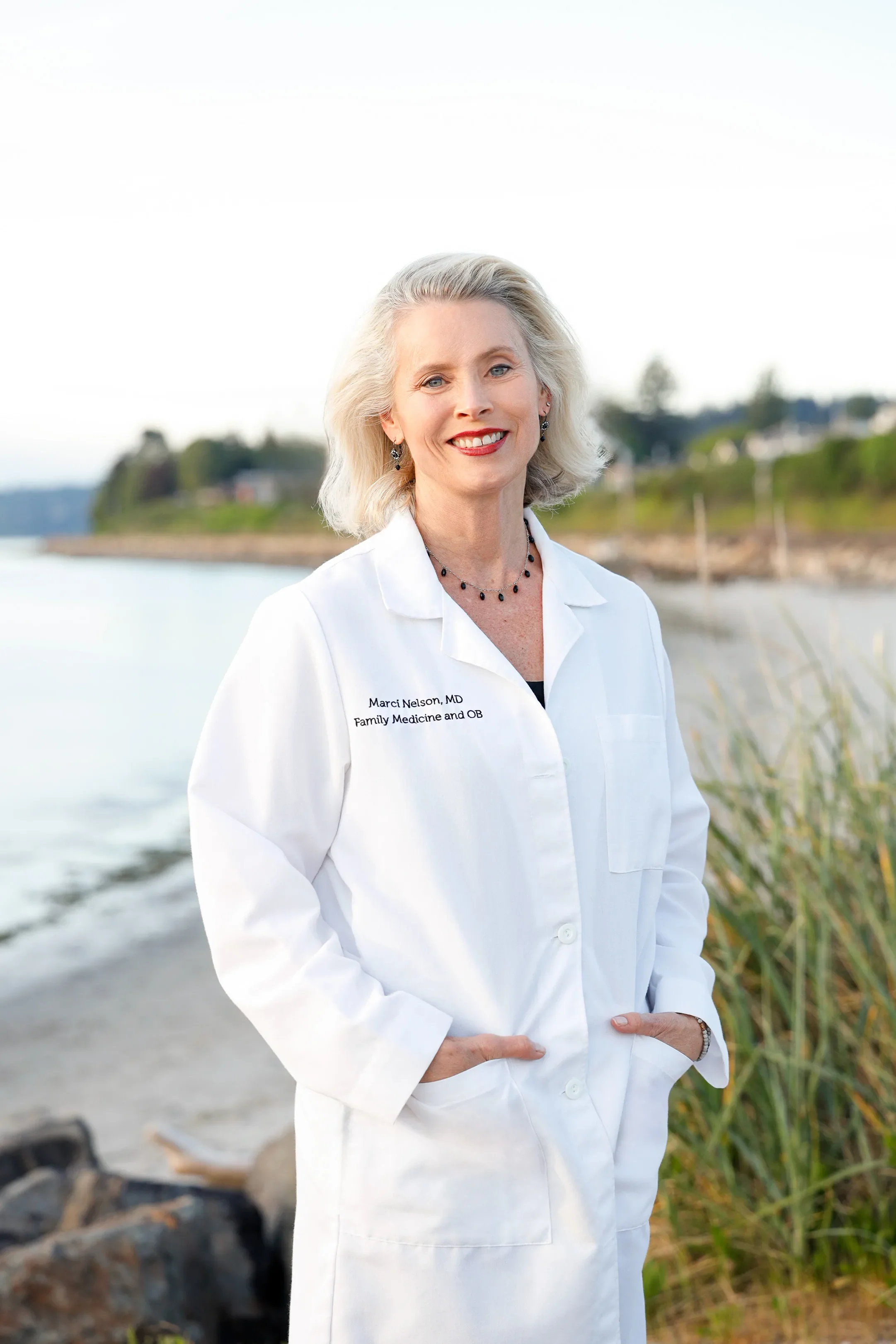
If you’ve been told your symptoms are “just stress” or “normal for your age,” you’re not imagining things — and you haven’t had the right doctor yet. Dr. Marci Nelson, MD, MSCP, explains what perimenopause actually looks like, why so many women go undertreated, and what real menopause care involves.
You’re in your 40s. Maybe your 50s. You’re sleeping badly, snapping at people you love, and feeling foggy in a way you can’t quite explain. Your periods are unpredictable. Your body feels different.
You go to your doctor. They run some bloodwork, everything comes back “normal,” and you leave with nothing — or maybe a prescription for antidepressants and a suggestion to reduce your stress.
Sound familiar? You’re not alone. And you’re not crazy.
The perimenopause gap in medicine
Perimenopause — the transition leading up to menopause — can last anywhere from two to ten years. During that time, fluctuating hormones can cause a wide range of symptoms: sleep disruption, mood changes, brain fog, irregular periods, weight changes, hot flashes, low libido, and more.
The problem isn’t that women are imagining these symptoms. It’s that most doctors don’t have the training to recognize, connect, or treat them effectively. Menopause medicine is a specialty — and most primary care physicians receive very little education in it during training.
That gap leaves many women dismissed, undertreated, or given solutions that don’t address the root cause.
What does specialized menopause care actually include?
A physician who specializes in perimenopause and menopause brings something different to the conversation. They’re looking at the full picture: your hormones, yes, but also your sleep, your cardiovascular health, your bone density, your mental health, your sexual health, and how all of these interact.
They know the latest evidence on hormone therapy — including what the older studies actually showed versus the fear that got attached to them. They can help you understand your options and make an informed decision, not just a scared one.
They also know that every woman’s experience is different. There’s no one-size-fits-all answer, and a good menopause specialist knows how to personalize care around your goals, your history, and how you want to feel.
What symptoms are signs you need a menopause specialist?
Irregular periods or changes in your cycle
Hot flashes or night sweats
Sleep disruption — difficulty falling asleep, staying asleep, or waking too early
Brain fog or difficulty concentrating
Mood changes, irritability, or anxiety that feels new
Low libido or changes in sexual health
Unexplained weight changes, especially around the midsection
Joint pain or muscle aches
You deserve answers, not dismissal
At Trillium Concierge Medicine in Shoreline, WA, Dr. Marci Nelson holds the Menopause Society Certified Practitioner (MSCP) credential — a designation that reflects advanced training and expertise in menopause care. She’s spent the last several years developing a deep focus on helping women navigate this transition well, and she brings both the clinical depth and the time to do it right.
In a concierge practice, you’re not rushed through a 10-minute visit. You get the space to describe what’s actually going on. And your doctor has the time to actually listen.
If you’ve been told your symptoms are “just stress” or “normal for your age,” we’d like to offer a different experience. Schedule a meet-and-greet at Trillium Concierge Medicine to learn how we approach menopause care.